
Story of Ceylon
the story of ceylon coffee
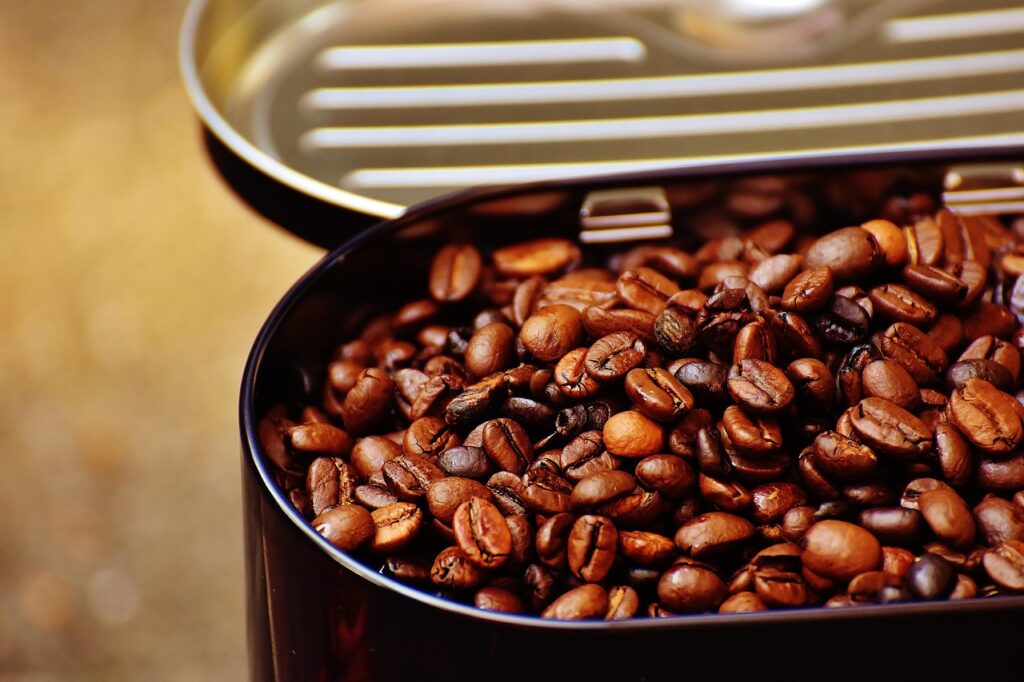
Before tea became the symbol of Sri Lanka, the island was famous for something darker and deeply aromatic — Ceylon Coffee.
Origin of Coffee
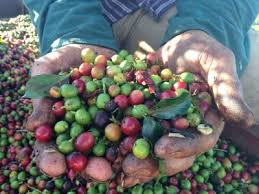
The story of coffee begins in the ancient highlands of Ethiopia over a thousand years ago. Legend tells of a young goat herder named Kaldi who noticed his goats dancing energetically after eating bright red cherries from a wild shrub. Curious, he tasted the cherries himself and soon felt a new sense of alertness and vitality.
Monks from a nearby monastery began brewing the cherries into a drink to help them stay awake during long hours of prayer. From there, coffee traveled across the Red Sea to Yemen, where it became an essential part of daily life and spiritual practice. By the 15th century, coffee houses were flourishing throughout the Middle East, serving as centers of conversation, culture, trade, and intellectual exchange.
From Arabia, coffee spread to Europe in the 17th century and quickly became a global phenomenon. Today, coffee is one of the most consumed beverages on Earth, second only to water — a drink that connects people across continents and cultures.
History of Ceylon Coffee
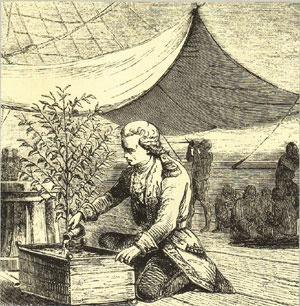
Coffee was introduced to Ceylon (now Sri Lanka) during the Dutch period in the 1600s. However, it was under British rule in the early 1800s that coffee cultivation expanded rapidly into a major plantation industry.
The central highlands — Kandy, Matale, Nuwara Eliya, and Badulla — were cleared to establish vast estates. The island’s altitude, tropical rainfall, cool mountain air, and fertile soil created ideal growing conditions.
By the 1860s, Ceylon had become one of the world’s largest coffee exporters. “Ceylon Coffee” gained strong recognition in London and European markets for its smooth body, pleasant brightness, and distinctive flavor. At its peak, hundreds of thousands of acres were dedicated to coffee cultivation. Railways were built to transport beans from the hills to the port of Colombo, transforming the island’s economy and landscape.
In 1869, disaster struck. A fungal disease known as coffee rust (Hemileia vastatrix) began spreading across plantations. Within two decades, most coffee estates were destroyed. Planters were forced to switch to tea cultivation to survive. Gradually, tea replaced coffee as the island’s primary export, reshaping Ceylon’s global identity.
Though the global spotlight shifted away, coffee plants never completely vanished from Sri Lankan soil.
Basics of Coffee
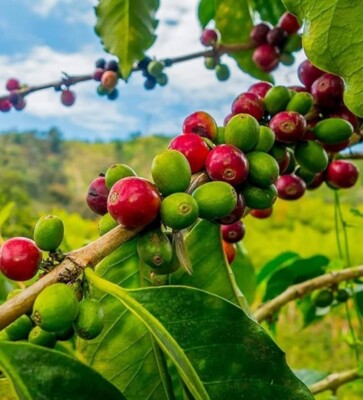
Coffee comes from the Coffea plant, an evergreen shrub that produces delicate white fragrant flowers followed by bright red cherries. Inside each cherry are two seeds — the coffee beans.
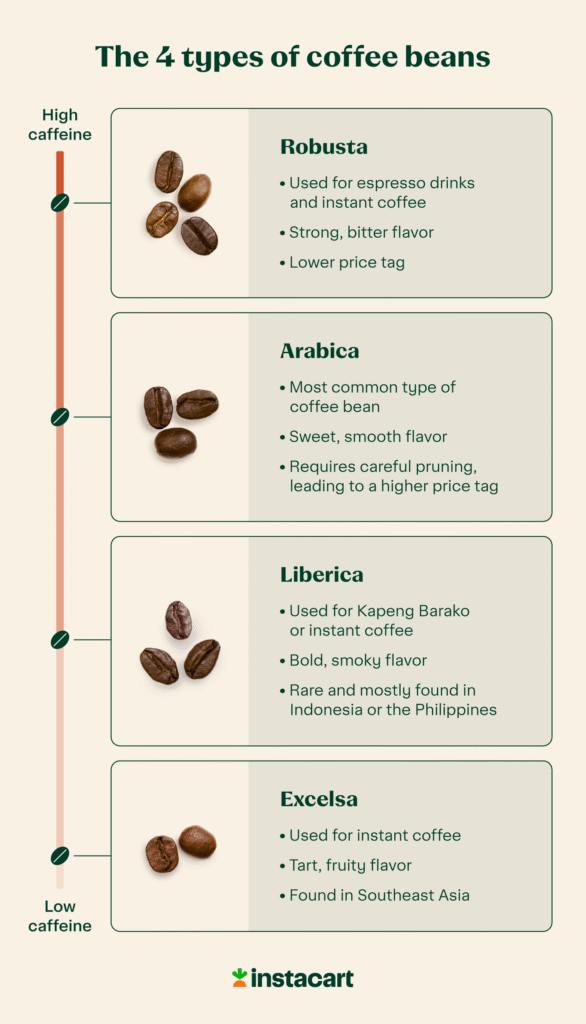
The two main commercial species are:
Arabica (Coffea arabica)
Grown at higher altitudes
Smooth, aromatic, and complex
Balanced acidity
More delicate and sensitive to climate1
Robusta (Coffea canephora)
Grown at lower elevations
Stronger and bolder flavor
Higher caffeine content
More resistant to pests and disease
The final flavor of coffee depends on altitude, soil, rainfall, and processing methods — elements often referred to as “terroir.”
Traditional Coffee Processing Methods
Hand Picking
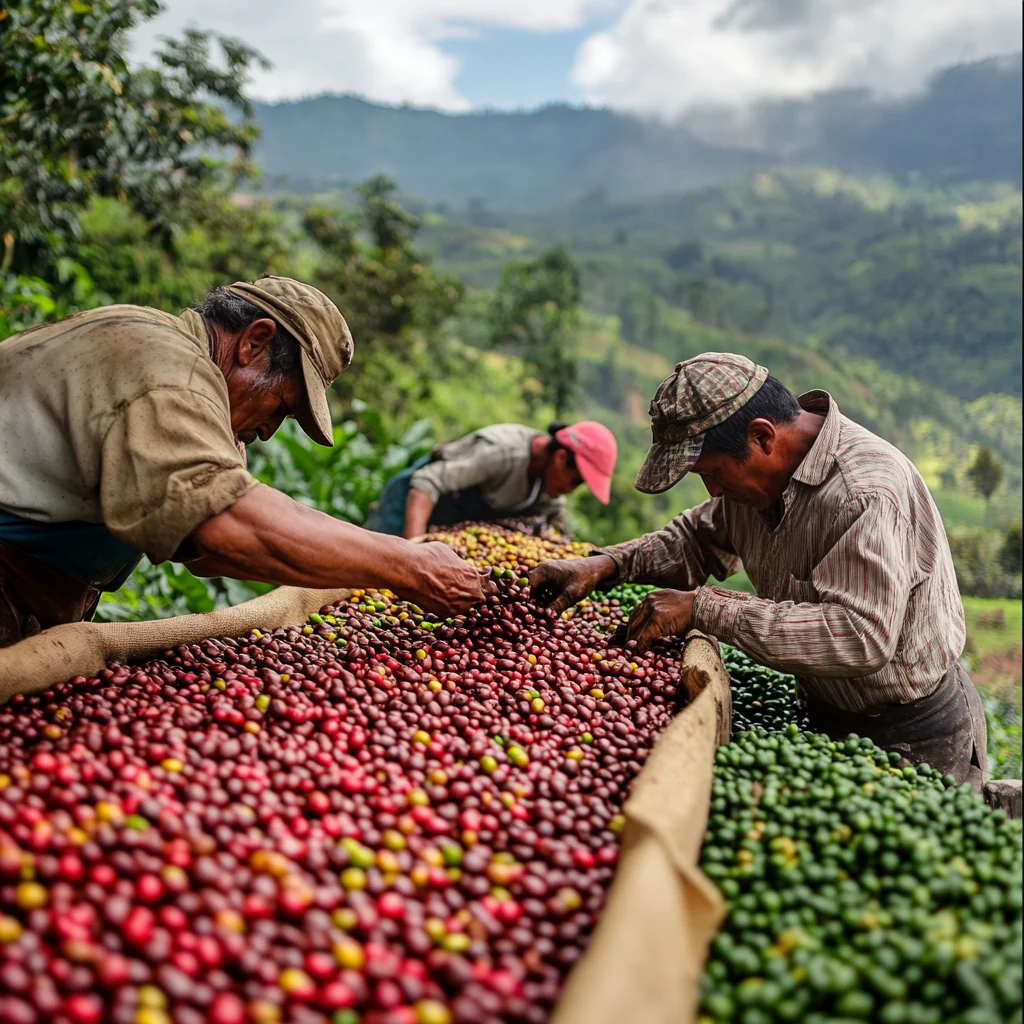
Ripe cherries are carefully handpicked to ensure only the best fruit is harvested. This selective method protects quality and enhances flavor.
Sorting and Cleaning
Cherries are sorted to remove unripe or damaged fruit. Clean water is often used to separate high-quality cherries from defective ones.
Processing Methods
Washed Process
The outer fruit layer is removed, and the beans are fermented and washed before drying. This method produces clean, bright flavors.
Natural Process
Cherries are dried whole under the sun before removing the outer layers, creating fruity and fuller-bodied flavors.
Honey Process
Part of the fruit pulp remains on the bean during drying, resulting in balanced sweetness and smooth texture.
Drying
Beans are dried under the sun or in controlled dryers until moisture levels reach safe storage standards.
Hulling
The dried parchment layer is removed to reveal green coffee beans ready for roasting.
Roasting
Roasting transforms green beans into aromatic brown coffee. Heat triggers chemical reactions that develop flavor, aroma, and color.
Roast levels include:
Light Roast – Brighter acidity, origin flavors more pronounced
Medium Roast – Balanced flavor, moderate body
Dark Roast – Bold, smoky, intense taste
Grinding and Brewing
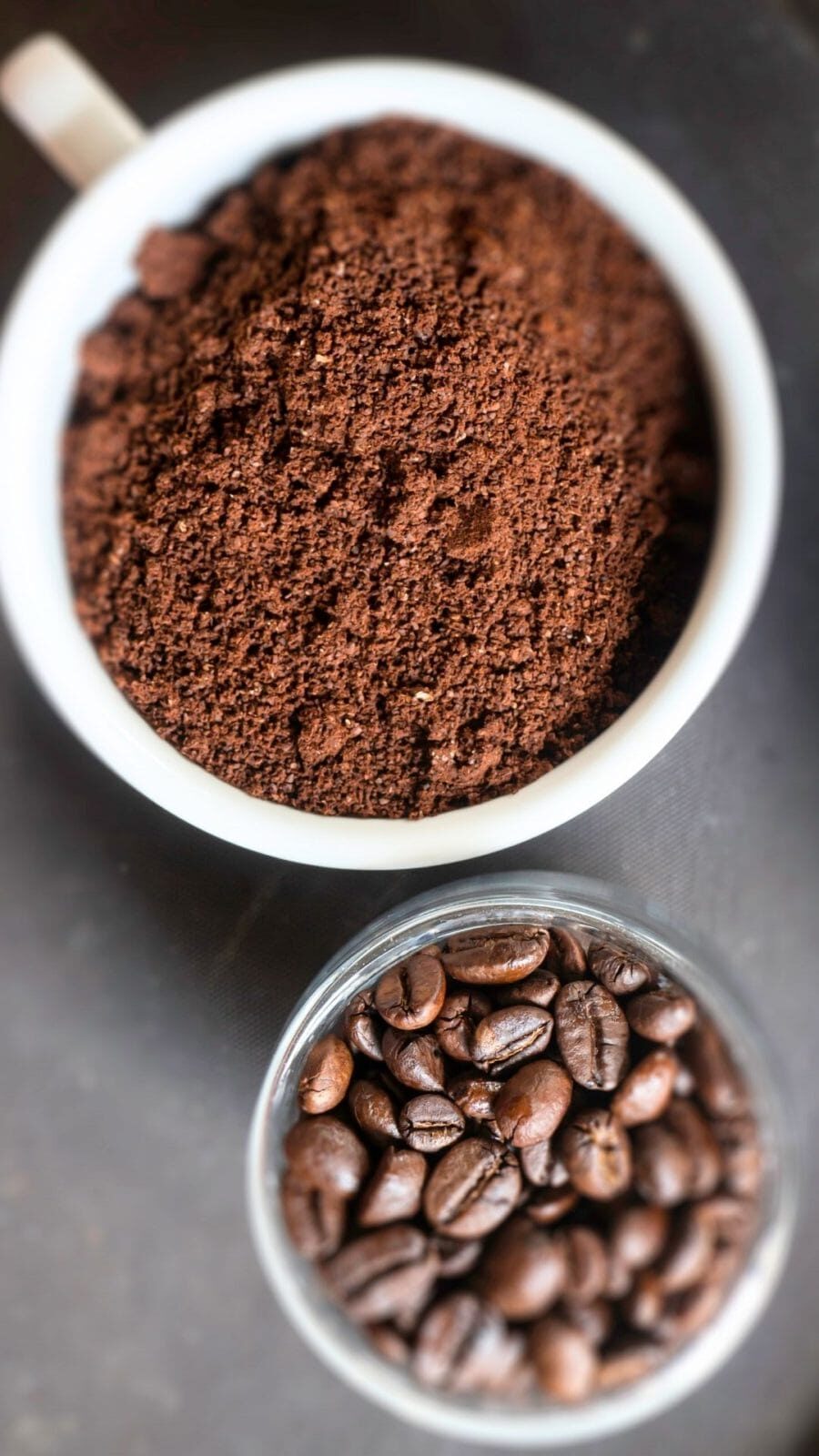
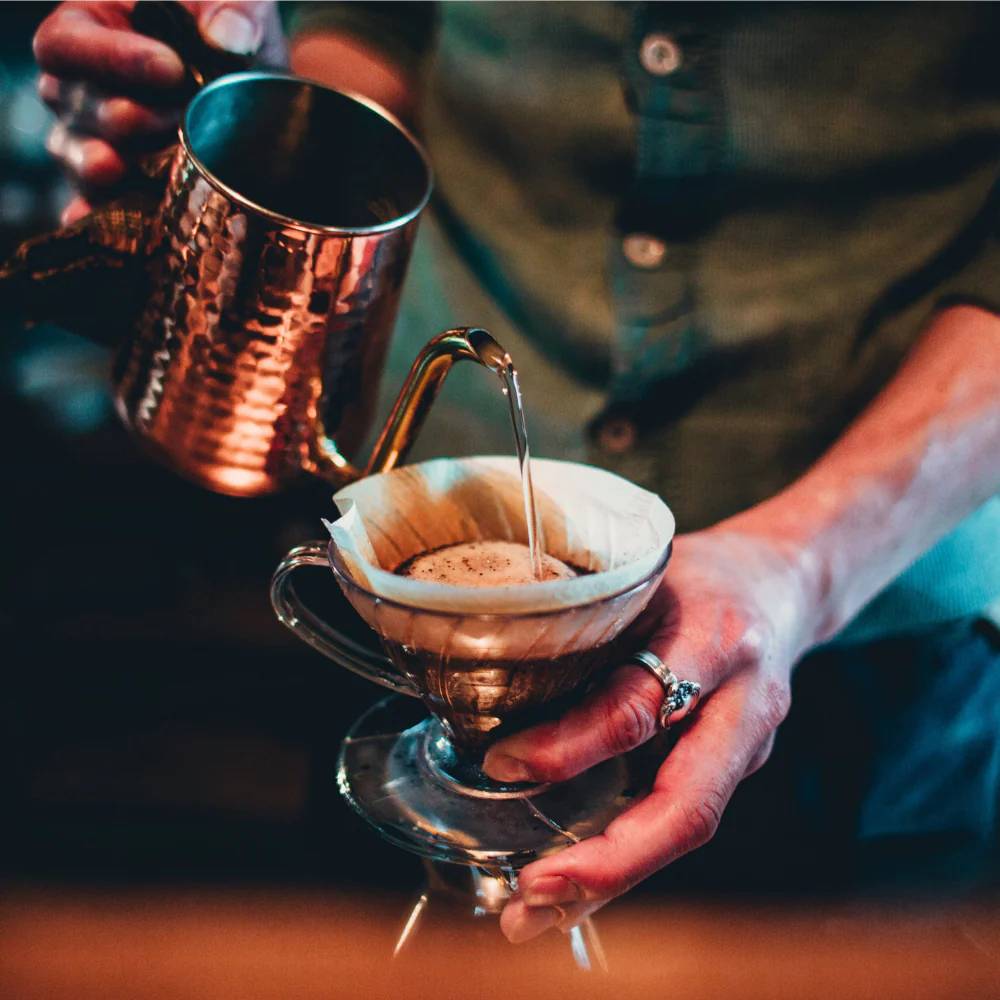
Grinding size depends on the brewing method — coarse for French press, medium for drip coffee, fine for espresso.
Categories of Coffee
Coffee is commonly classified based on species, origin, and preparation style.
Arabica Coffee
Known for its refined and complex flavor profile. It often carries notes of fruit, chocolate, caramel, nuts, or floral tones. Arabica is widely used in premium and specialty coffees.
Robusta Coffee
Stronger and more intense, Robusta has a heavier body and deeper bitterness. It produces a rich crema in espresso and adds strength to blends.
Single Origin Coffee
Coffee sourced from one specific region, estate, or farm. It highlights the unique characteristics of that location.
Blended Coffee
A combination of beans from different regions or species, crafted to achieve balance, consistency, and complexity.
What Makes Ceylon Coffee Special
Ceylon coffee is distinguished by its unique combination of geography, climate, and traditional craftsmanship. Every cup tells the story of the island — from its mist-covered highlands to the careful hands that cultivate, harvest, and process the beans.
Key Characteristics:
Smooth, Medium Body – Balanced and refined, never harsh or bitter
Complex Flavor Notes – Subtle hints of chocolate, spices, nuts, and fruit
Distinctive Aroma – Fragrant, fresh, and evocative of the island’s terroir
High-Quality Beans – Carefully grown Arabica and Robusta with optimal ripeness
Crafted with Care – Handpicked cherries, traditional processing methods, and precise roasting ensure every bean meets exceptional standards
Versatile Brew – Perfect for espresso, filter coffee, French press, or specialty drinks
Ceylon coffee reflects place, people, and tradition. The altitude, climate, and mineral-rich soil of Sri Lanka shape the bean’s flavor, while generations of skilled farmers and roasters preserve its quality. Each sip offers a journey — from the hills of Sri Lanka to the cup, connecting history, heritage, and taste.
Ceylon coffee is not just a drink.
It is a living experience of the island, celebrating resilience, authenticity, and craftsmanship.
Revival of Ceylon Coffee
Today, Sri Lanka is rediscovering its coffee heritage. Small-scale farmers and specialty producers are cultivating Arabica in the highlands and Robusta in lower regions. Modern techniques combined with traditional care are bringing back the distinctive character once known as Ceylon Coffee.
Growing global demand for specialty and origin-based coffees has created new opportunities for Sri Lanka to re-establish itself as a respected coffee origin. Sustainable farming practices and careful processing are ensuring both quality and environmental responsibility.
The island’s unique climate — cool mountain air, tropical sunshine, rich soil, and seasonal rainfall — continues to provide ideal conditions for producing exceptional beans.
The Legacy of Ceylon Coffee
Ceylon coffee is a story deeply rooted in Sri Lanka’s history. Once a global leader in coffee production, the island stood proudly among the world’s finest coffee origins. Though the coffee rust epidemic altered its path, it did not erase its identity.
For generations, coffee survived quietly in village gardens and shaded estates. Knowledge of cultivation and processing was passed down, preserving a legacy that refused to disappear.
Today, that legacy is awakening once again. A new generation of farmers, roasters, and coffee enthusiasts is reclaiming Sri Lanka’s place in the global coffee story. With innovation, sustainability, and renewed passion, Ceylon coffee is returning to international recognition.
The legacy of Ceylon coffee is not defined by its fall, but by its resilience.
It is a testament to the strength of the land, the dedication of its people, and the enduring character of its beans.
Ceylon coffee is more than a beverage.
It is a heritage rooted in history, revived with pride, and crafted for the future.
the story of ceylon cinnamon
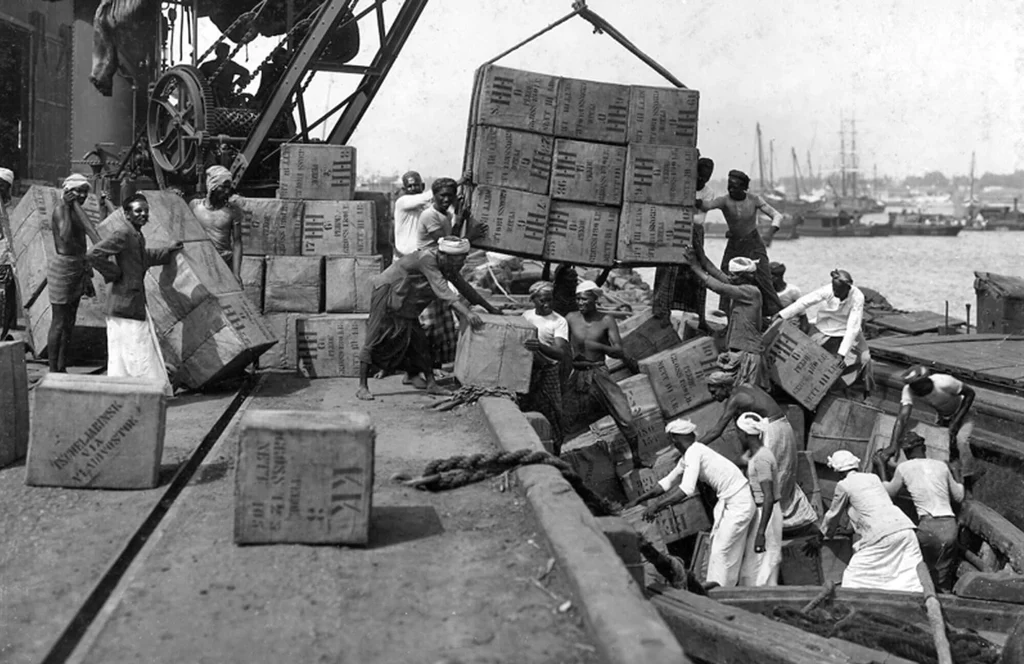
Before Sri Lanka became known as the Pearl of the Indian Ocean, the island was treasured across the world for something rare, delicate, and irresistibly fragrant — Ceylon Cinnamon.
Origin of Cinnamon
The story of cinnamon begins thousands of years ago in the tropical forests of Sri Lanka. Known as one of the world’s oldest and most treasured spices, cinnamon was once more valuable than gold. Ancient traders carried it across oceans, and it was prized by Egyptians, Romans, and Arabs for its fragrance, flavor, and medicinal qualities.
For centuries, the true source of cinnamon was a closely guarded secret. Arab merchants controlled the spice trade and created myths about how it was harvested to protect their monopoly. Eventually, explorers discovered that the finest cinnamon in the world grew naturally on the island once known as Ceylon.
History of Ceylon Cinnamon
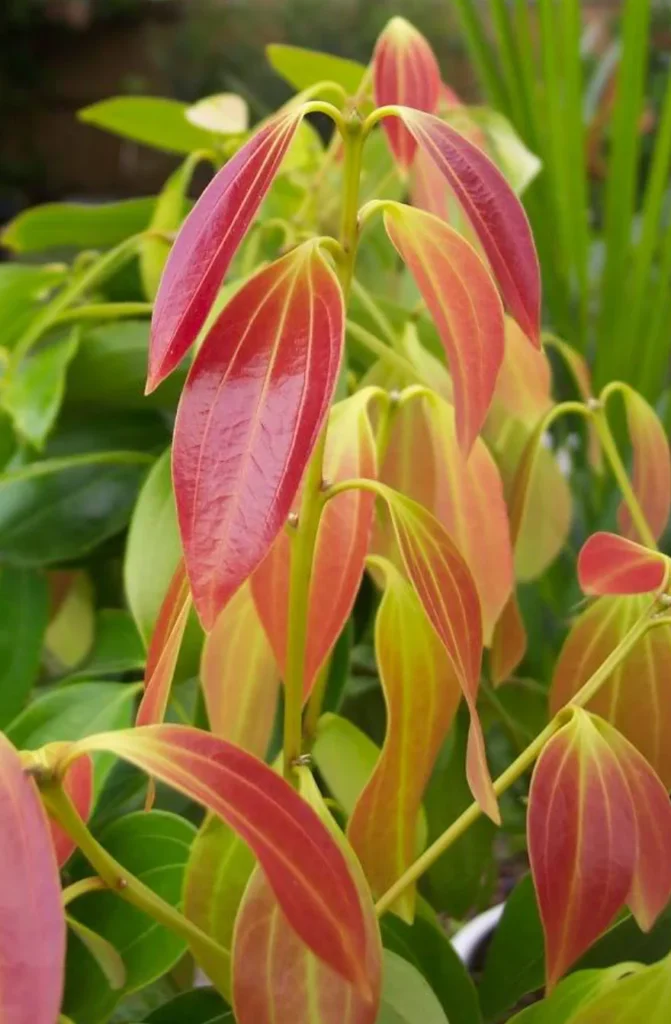
Sri Lanka has been the home of Ceylon Cinnamon (Cinnamomum verum) for over 2,000 years. Often called “True Cinnamon,” it is native to the island and remains one of Sri Lanka’s most famous exports.
During the 16th century, Portuguese traders arrived on the island and quickly realized the value of its cinnamon forests. They established control over the coastal regions to dominate the spice trade. Later, the Dutch expanded cinnamon cultivation into organized plantations, improving harvesting and processing techniques. When the British took control, cinnamon remained an important export crop alongside coffee and later tea.
Ceylon cinnamon earned a global reputation for its delicate sweetness, light color, and refined aroma. Unlike stronger cassia varieties grown elsewhere, Ceylon cinnamon offers a subtle, complex flavor that enhances food without overpowering it.
Basics of Cinnamon
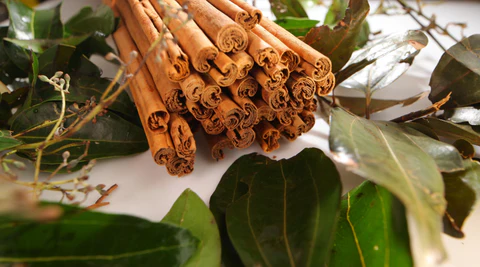
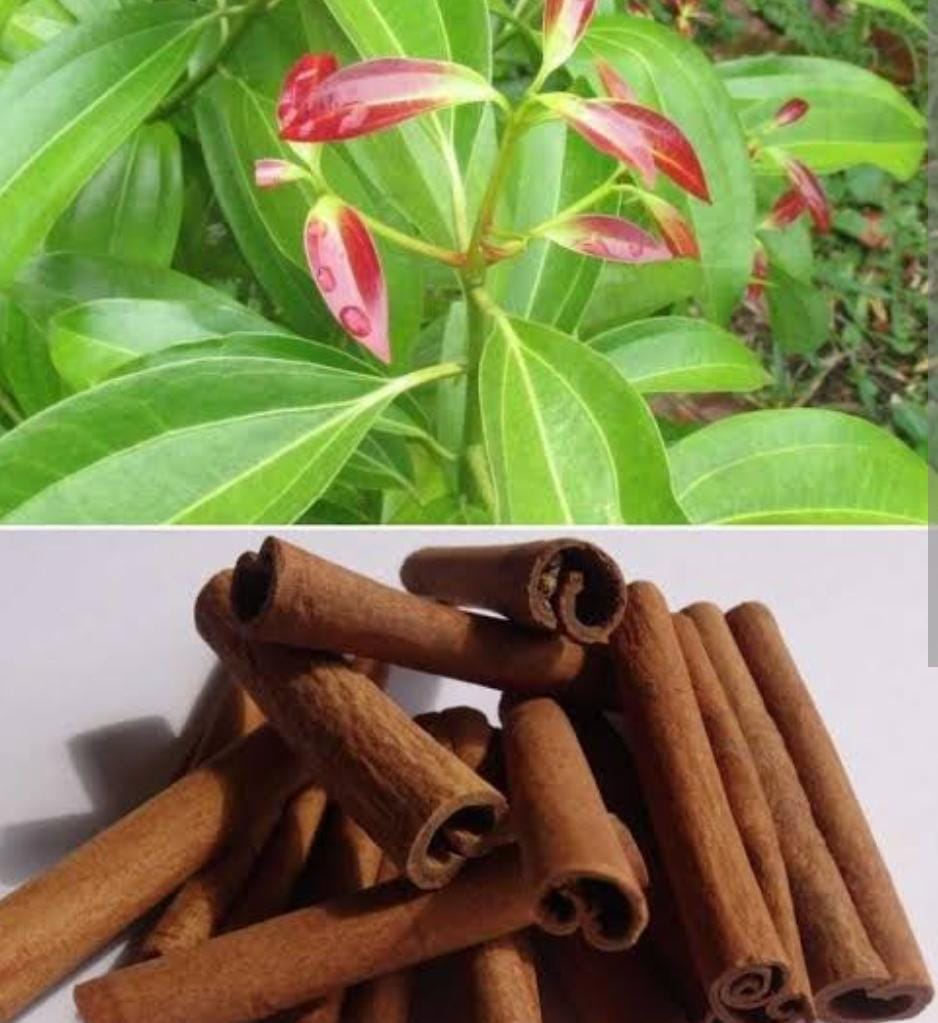
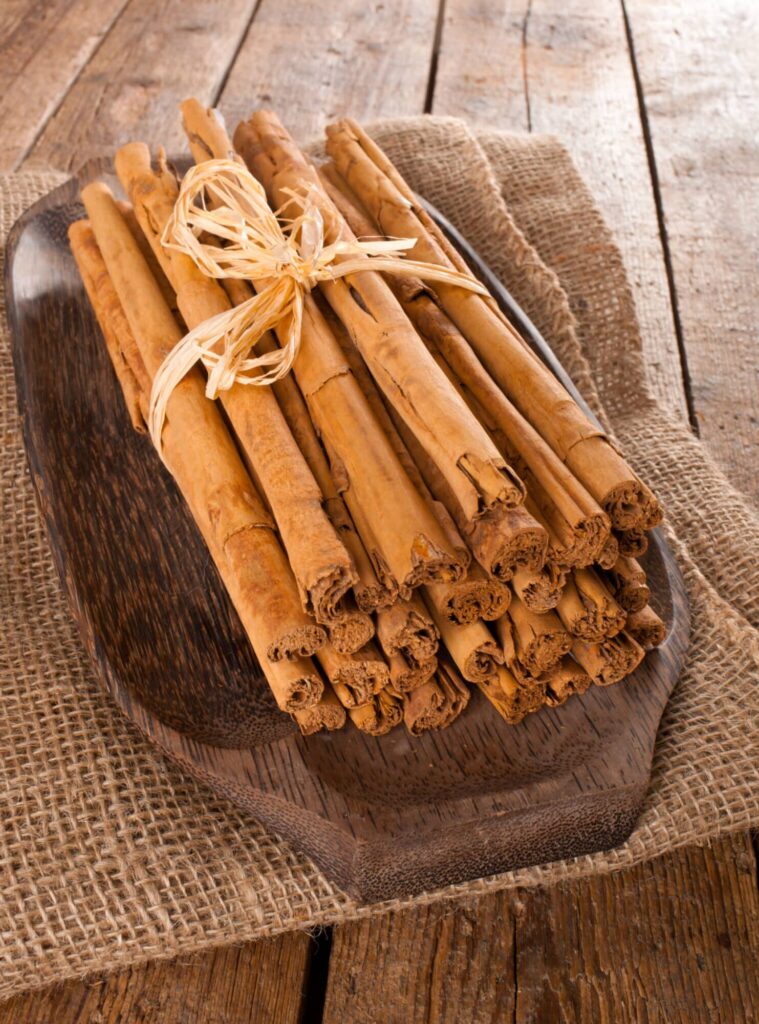
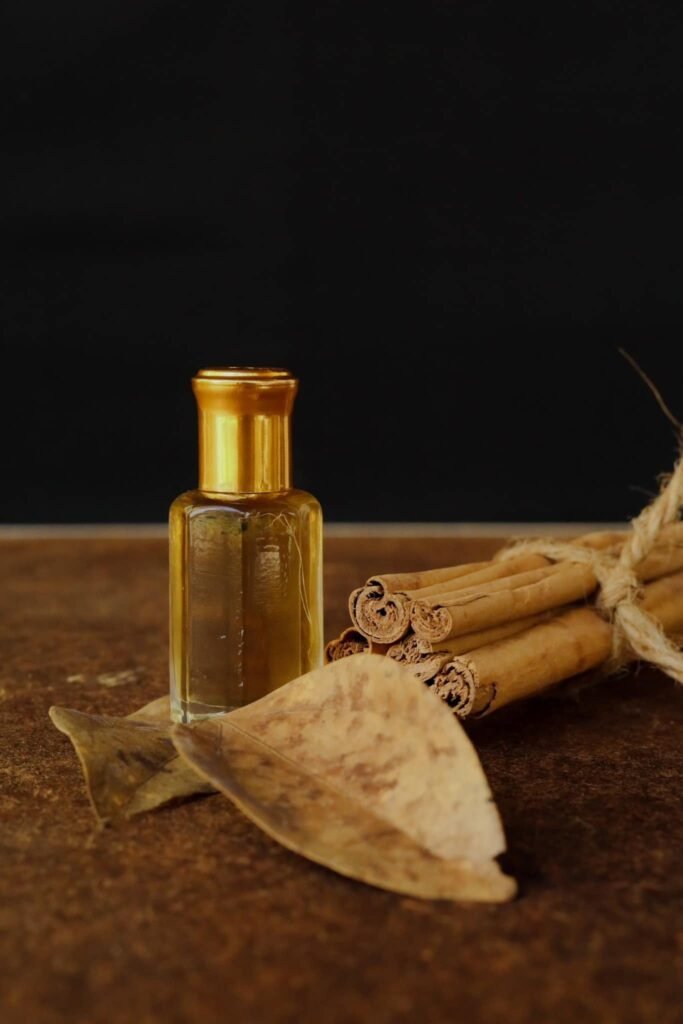
Ceylon cinnamon comes from the inner bark of the cinnamon tree. The bark is carefully peeled by skilled hands, then naturally curls into thin layers as it dries. These delicate layers form the soft, multi-layered quills that distinguish true cinnamon from other types.
Key Characteristics:
Light golden brown color
Soft, thin, multi-layered sticks
Sweet, mild, and citrus-like aroma
Low coumarin content (safer for regular consumption)
Ceylon cinnamon is used in cooking, beverages, and traditional remedies, prized for its aroma, subtle sweetness, and health benefits.
Categories of Cinnamon
While true Ceylon cinnamon is unique, it is often classified by form and quality:
Quills
Rolled inner bark carefully dried into sticks, used for infusions, cooking, or decoration.
Powder
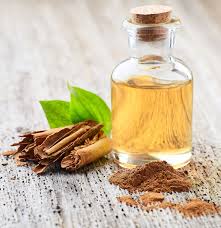
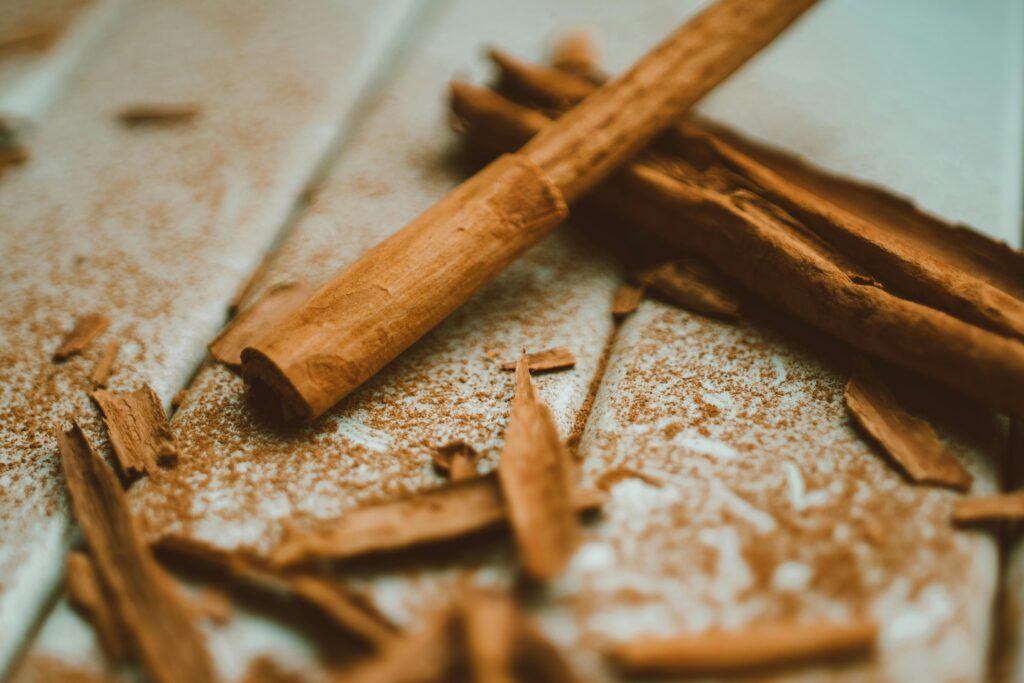
Ground cinnamon made from dried quills. Ideal for baking, desserts, and seasoning.
Chips or Broken Bark
Smaller pieces of the inner bark, used for infusions, teas, or flavoring sauces
Traditional Cinnamon Harvesting Process
Cultivation
Cinnamon trees thrive in Sri Lanka’s warm, humid climate and sandy soils, particularly in the southern coastal belt.
Peeling
After about two years of growth, young stems are cut. Skilled peelers scrape away the outer bark and gently remove the thin inner bark by hand.
Rolling
The soft inner bark naturally curls into quills as it dries. Smaller pieces are inserted into larger ones to form long sticks.
Drying
Quills are sun-dried until they achieve their signature golden color and delicate texture.
Grading and Packing
Once dried, cinnamon is graded based on thickness, color, and appearance before being carefully packed to preserve its aroma and quality.
What Makes Ceylon Cinnamon Special
Ceylon cinnamon stands out for its delicate, refined flavor and low coumarin content, making it safer for daily consumption than other varieties.
Key Features:
Sweet, subtle flavor without overpowering dishes
Light golden color with soft, multi-layered sticks
Delicate citrus and floral aroma
Premium quality ensured through hand-harvesting and traditional processing
Ceylon cinnamon embodies purity, tradition, and craftsmanship, making it a staple in culinary and wellness applications worldwide.
Revival of Ceylon Cinnamon
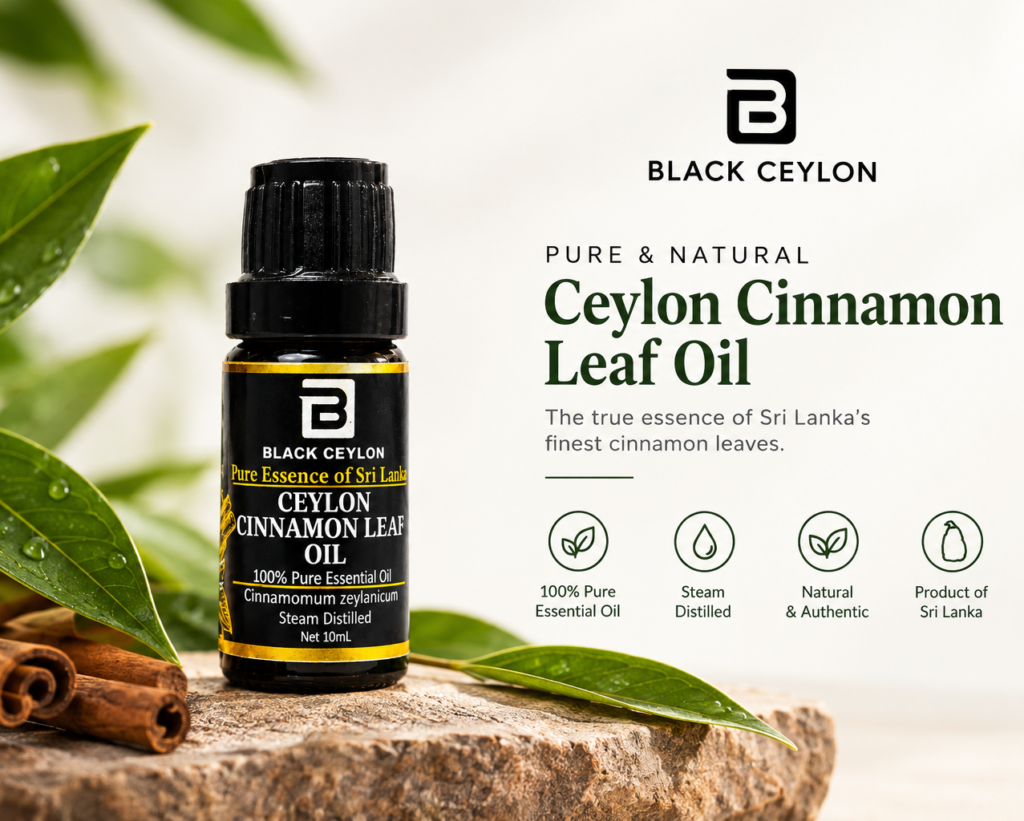
Today, Sri Lanka continues to lead the world in the production of true cinnamon. Modern estates, sustainable farming practices, and global demand for high-quality spice have revitalized the industry.
Artisanal methods are combined with scientific quality control to preserve flavor, aroma, and nutritional properties, ensuring that Ceylon cinnamon remains a global benchmark.
The Legacy of Ceylon Cinnamon
Ceylon cinnamon is more than a spice — it is a symbol of Sri Lanka’s history, trade, and heritage.
From ancient traders and explorers to modern chefs and wellness enthusiasts, cinnamon has traveled across continents, carrying the story of the island’s craftsmanship.
The legacy of Ceylon cinnamon is rooted in:
Generations of skilled harvesters who preserve traditional peeling and drying techniques
Sustainability that protects the forests and ensures high-quality yield
Global respect as “True Cinnamon,” valued for its subtle flavor and premium quality
Ceylon cinnamon is not just an ingredient.
It is a living tradition, connecting the past with the present, and sharing Sri Lanka’s rich heritage with the world.
the story of ceylon tea
Before Sri Lanka became world-renowned for its breathtaking landscapes and rich culture, the island earned global fame for something bright, refined, and unmistakably aromatic — Ceylon Tea.

Origin of Tea
The story of tea begins thousands of years ago in ancient China. Legend tells of Emperor Shen Nong, who discovered tea when leaves from a wild tree drifted into his pot of boiling water. Intrigued by the aroma and golden color, he tasted the infusion — and tea was born.
Tea quickly became more than a beverage. It evolved into a ritual, a symbol of hospitality, and a bridge between cultures. Monks, scholars, and emperors prized it for its calming, restorative, and medicinal properties. Over centuries, tea traveled across Asia, along trade routes, and eventually to Europe, becoming one of the world’s most beloved drinks.
It was on a small island in the Indian Ocean that tea would find one of its most celebrated homes.
History of Ceylon Tea
Tea arrived in Ceylon during the 19th century, at a pivotal moment in the island’s history. After the collapse of the coffee industry due to coffee rust disease, Scottish planter James Taylor began experimenting with tea cultivation in the central highlands in 1867.
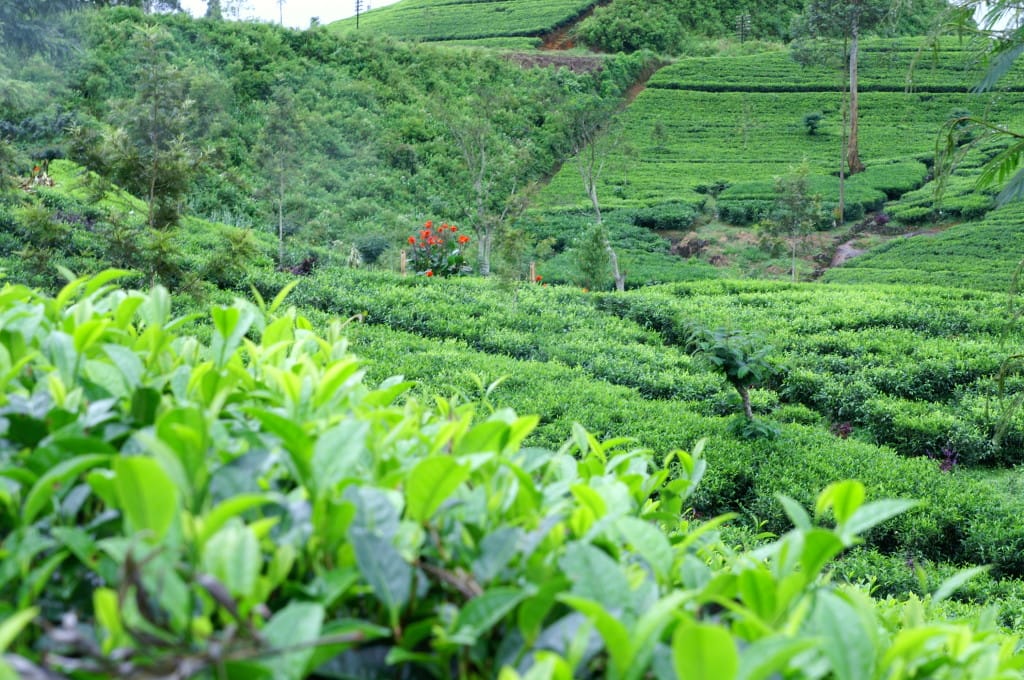
The misty hills of Kandy, Nuwara Eliya, Uva, and Dimbula proved ideal for growing tea. Cool temperatures, high altitudes, fertile soil, and steady rainfall created perfect conditions for producing exceptional leaves.
Within decades, Ceylon Tea gained worldwide recognition. Known for its bright color, brisk flavor, and distinctive aroma, Ceylon Tea became a global standard of quality. By the early 20th century, the island had established itself as one of the world’s leading tea exporters.
The name “Ceylon Tea” became a symbol of excellence recognized across continents.
Basics of Tea
All true tea comes from the Camellia sinensis plant. Differences in flavor, color, and strength are determined by climate, altitude, and processing methods.
Ceylon produces tea in three main elevation-based categories:
High Grown Tea
Cultivated above 1,200 meters
Light, bright, and delicately aromatic
Mid Grown Tea
Grown between 600–1,200 meters
Smooth, balanced, and full-bodied
Low Grown Tea
Cultivated below 600 meters
Darker, stronger, and richer in character
Each region imparts its own identity, shaped by the terroir — the combination of land, climate, and cultivation expertise.
Categories of Tea
Tea is classified into different types based on oxidation, processing, and style:
Black Tea
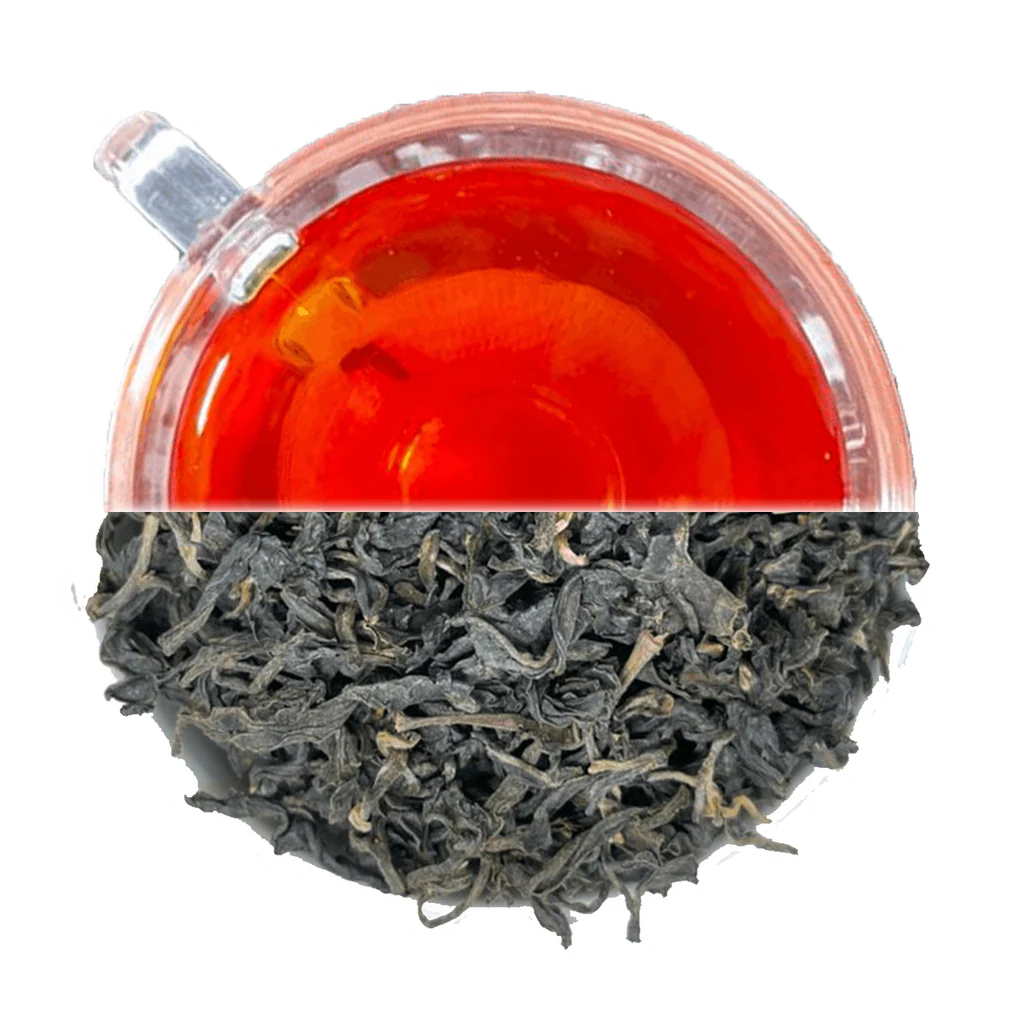
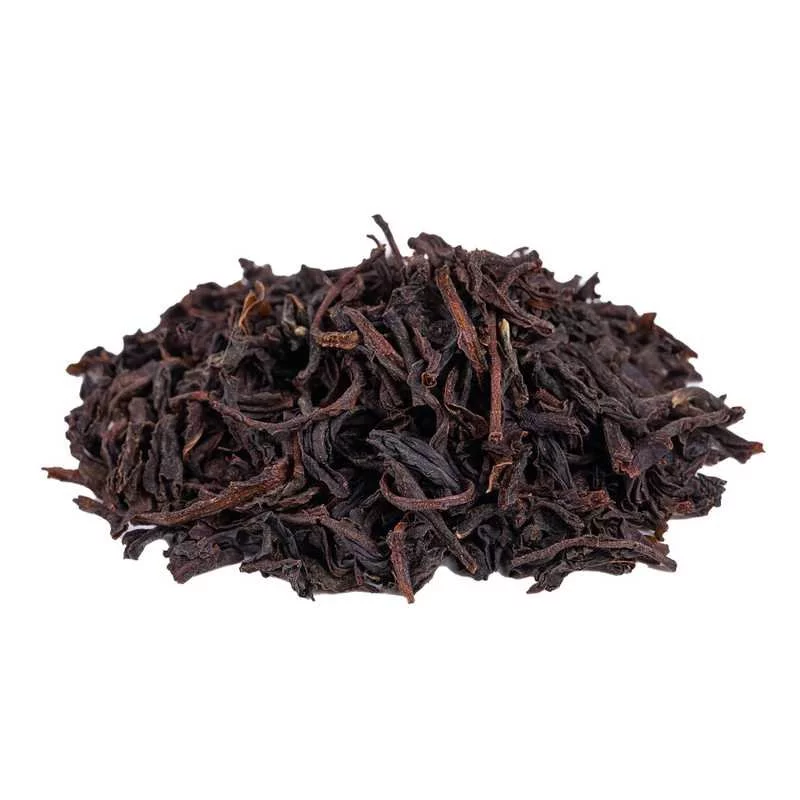
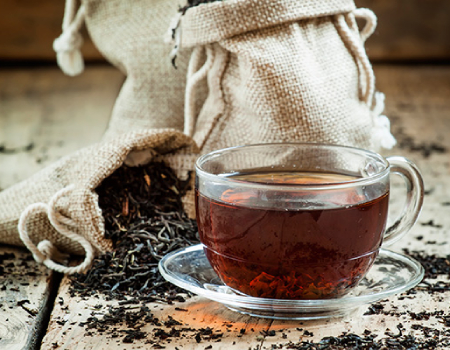
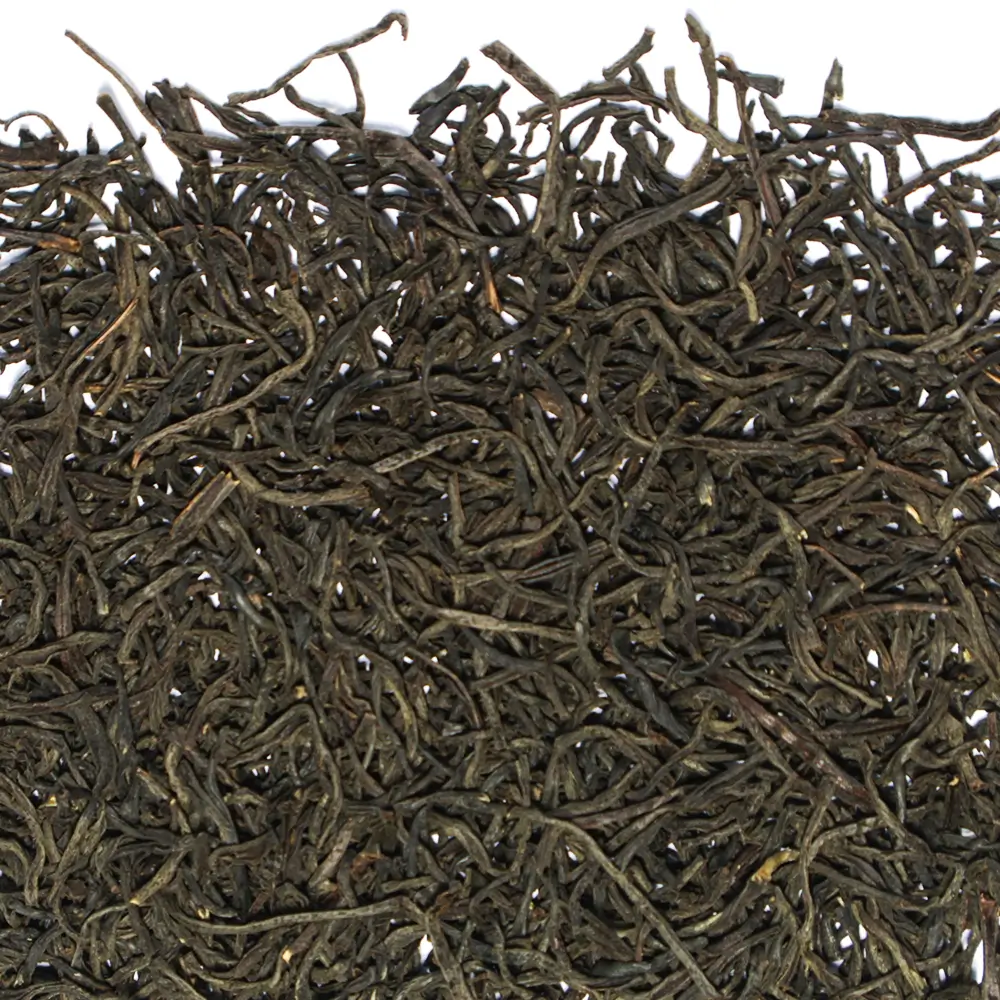
Fully oxidized, giving a dark color and robust flavor. Known for briskness, strong aroma, and rich taste.
Green Tea
Unoxidized, heat-treated to preserve natural color and antioxidants. Light, fresh, and delicate flavor.
Oolong Tea
Partially oxidized, falling between black and green tea. Smooth, aromatic, and often fruity or floral.
White Tea
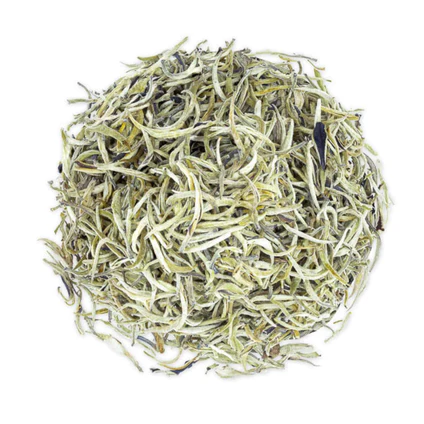
Made from young buds and tender leaves. Minimal processing, subtle flavor, pale color, and delicate aroma.
Herbal Infusions (Tisanes)
Technically not true tea. Made from herbs, flowers, fruits, or spices for aroma, flavor, and wellness benefits
Traditional Tea Processing Methods
Hand Plucking
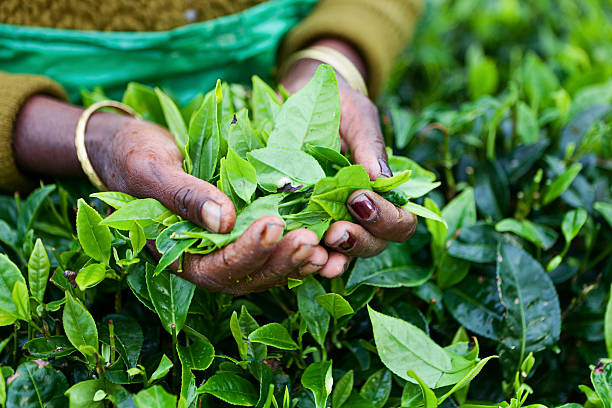
Only the finest two leaves and a bud are handpicked. This preserves quality and ensures the delicate flavor of the tea.
Withering
Freshly plucked leaves are spread out to reduce moisture and prepare them for rolling.
Rolling
Leaves are rolled to release natural enzymes, initiating oxidation.
Oxidation
Oxidation determines whether the tea becomes black, green, or oolong. This step develops flavor, aroma, and color.
Drying
Heat stops oxidation and locks in the tea’s flavor and fragrance.
Grading
Tea is sorted by leaf size and appearance before being packed to preserve freshness and aroma.
What Makes Ceylon Tea Special
Ceylon Tea is renowned for its unique combination of flavor, aroma, and craftsmanship. Each cup tells the story of the island and the hands that cultivate it.
Key Characteristics:
Brisk, Bright Flavor – Distinct and refreshing
Delicate Aroma – Fresh, floral, and invigorating
High-Quality Leaves – Handpicked buds and tender leaves
Traditional Craftsmanship – Expertly withered, rolled, and dried
Versatile Brew – Perfect for hot tea, iced tea, or specialty infusions
Ceylon Tea reflects nature, tradition, and expertise. The highlands’ mist, soil, and climate shape its character, while generations of skilled tea makers preserve its quality. Each cup is a journey — from the estate to your cup.
Ceylon Tea is not just a beverage.
It is an experience of the island, a celebration of heritage and care.
Revival of Ceylon Tea
Modern estates are redefining Ceylon Tea through single-origin production, specialty grades, sustainable farming, and artisanal processing.
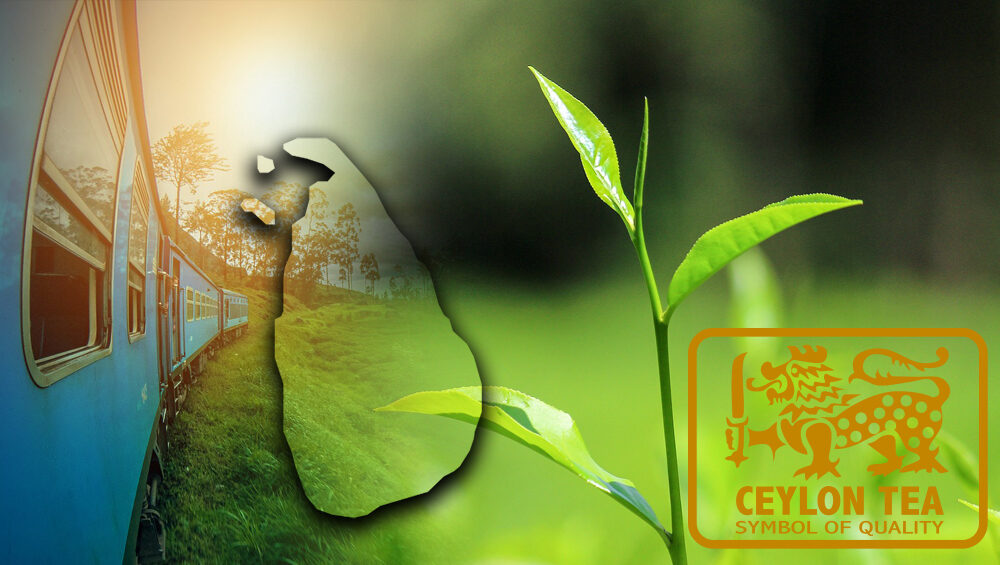
Today, Sri Lanka continues to be one of the world’s leading tea exporters, with its Lion Logo representing purity and authenticity.
Tea lovers around the world recognize Ceylon Tea for its elegance, aroma, and heritage — a timeless legacy nurtured by the island’s people and climate.
The Legacy of Ceylon Tea
Ceylon Tea is more than an export; it is the soul of the island.
From misty highlands to the teacups of the world, it carries the story of resilience, adaptation, and pride. What began as a recovery from coffee rust became a symbol recognized globally.
Ceylon Tea is not just a beverage.
It is a heritage, perfected by nature and nurtured by generations.
And with every sip, the story continues.
the story of ceylon pepper
Long before global trade routes shaped the spice world, Sri Lanka was prized for something bold, fiery, and intensely aromatic — Ceylon Pepper.
Origin of Pepper
The story of pepper begins over 4,000 years ago in the lush tropical forests of India and Sri Lanka. Often called the “King of Spices,” pepper has been prized for its bold flavor, aroma, and preservative qualities.
Ancient traders carried pepper along the spice routes, making it one of the most valuable commodities in history. Egyptians, Greeks, Romans, and Arabs used pepper not only in cuisine but also as a form of currency and a symbol of wealth and status.
Sri Lanka, then known as Ceylon, became renowned for producing premium peppercorns with a distinctive aroma and piquant flavor.
History of Ceylon Pepper
Pepper cultivation in Sri Lanka dates back centuries, thriving in the island’s low-country wet zones with humid climates and rich soils.
During the colonial era, Portuguese, Dutch, and British traders recognized the value of Ceylon Pepper and established plantations along the southwest coastal belt and river valleys.
Ceylon Pepper earned an international reputation for its quality and potency. European markets prized it for its pungency, consistency, and aroma. Even as tea and cinnamon rose to global fame, pepper remained a staple crop for estates and smallholders alike.
Basics of Pepper
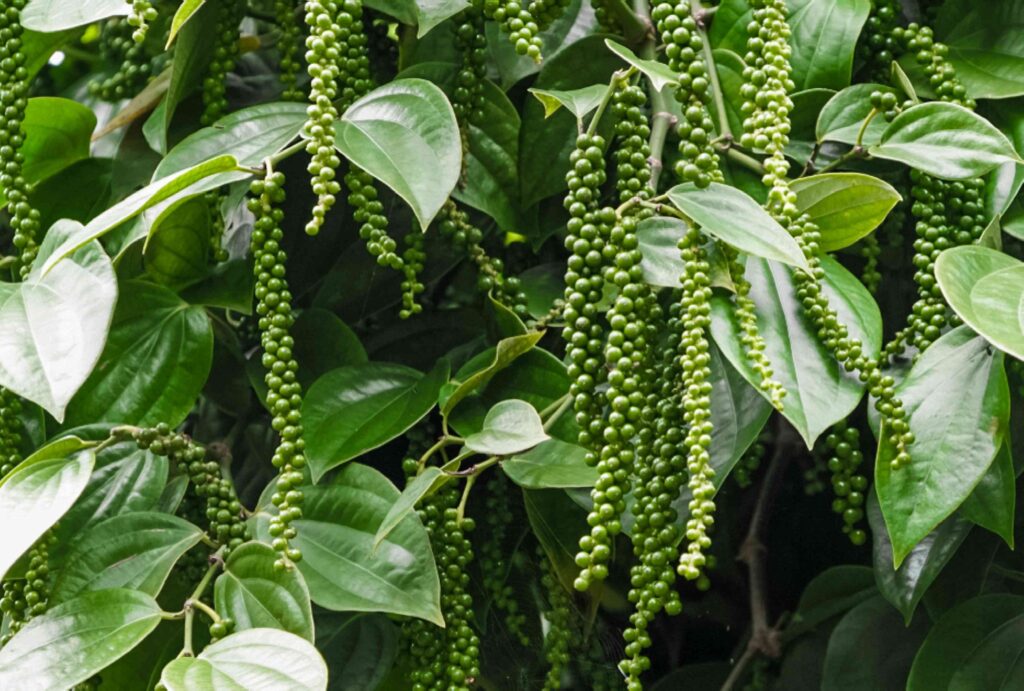
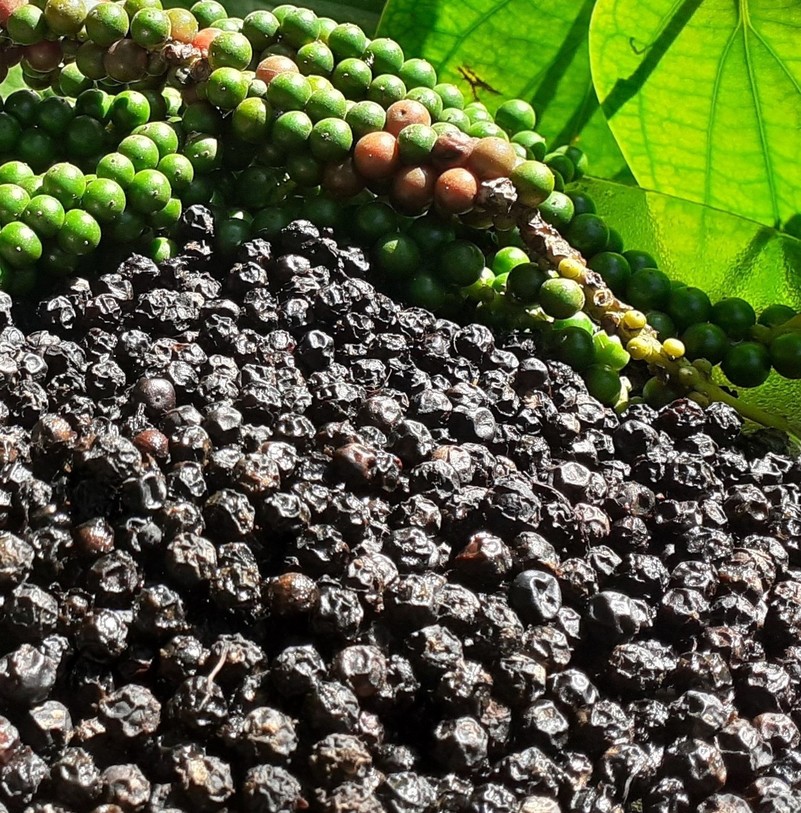
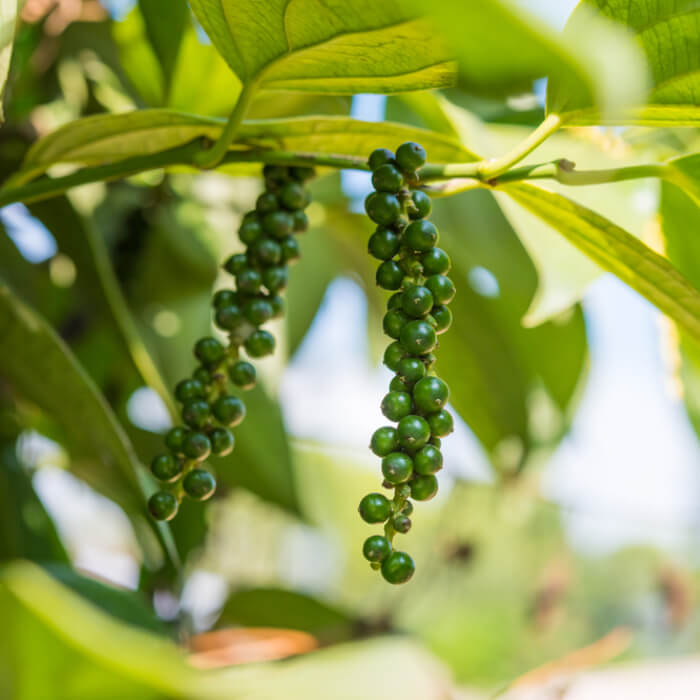
Pepper comes from the vine Piper nigrum, a climbing plant producing small clusters of berries called peppercorns.
Types of Peppercorns:
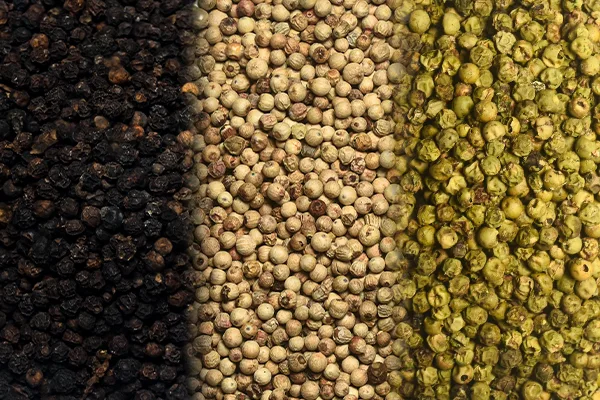
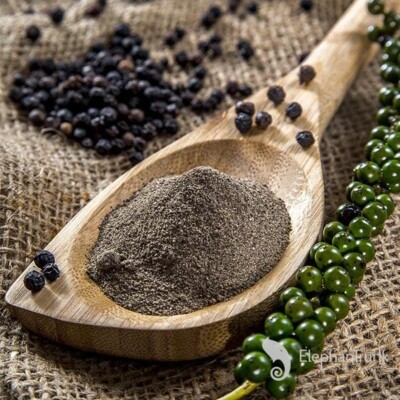
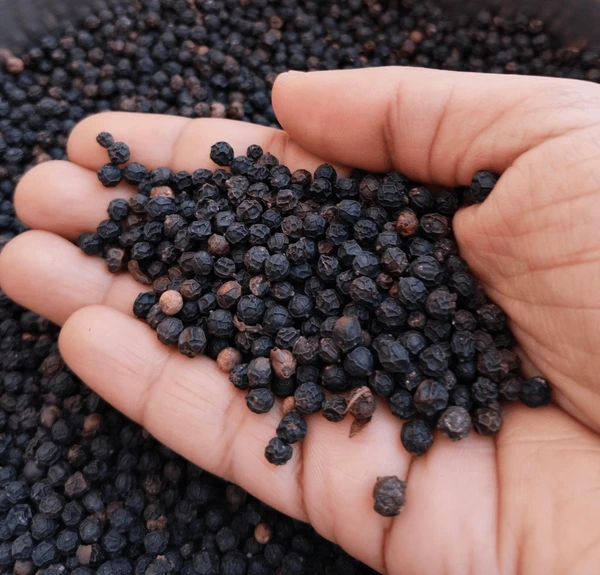
Black Pepper – Unripe green berries harvested and dried, yielding bold and pungent flavor.
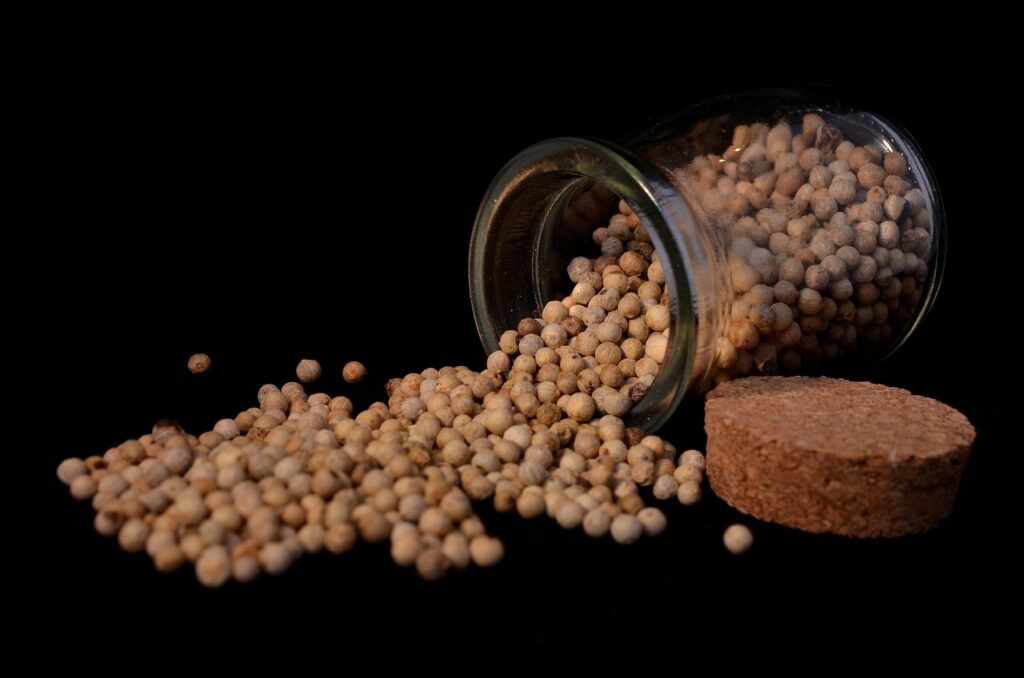
White Pepper – Ripe berries with outer skin removed, offering a milder, earthy taste.
Green Pepper – Fresh or freeze-dried berries, aromatic and slightly fruity.
Red Pepper – Fully ripened berries with vibrant flavor, often preserved in brine or freeze-dried.
Ceylon Pepper is known for its balanced heat, aromatic profile, and rich flavor, making it a premium choice in kitchens worldwide.
Categories of Pepper
Pepper is typically classified by color, processing, and usage:
Black Pepper
Harvested while green and sun-dried, producing a bold, pungent spice.
White Pepper
Ripe berries soaked to remove outer skin, leaving a smooth, earthy taste.
Green Pepper
Preserved fresh or freeze-dried, offering mild, fresh, and aromatic flavor.
Red Pepper
Fully ripened berries, either dried or preserved, with subtle sweetness and piquancy.
Traditional Pepper Processing Methods
Cultivation
Pepper vines are grown on trellises, posts, or trees in humid, tropical lowlands with rich soil.
Harvesting
Berries are hand-picked at the correct stage of ripeness depending on the desired final product (black, white, green, or red).
Cleaning and Sorting
Leaves, stems, and damaged berries are removed to ensure quality.
Drying
Black Pepper: Sun-dried until dark and wrinkled
White Pepper: Outer skin removed and dried
Green/Red Pepper: Freeze-dried or preserved to retain color and flavor
Grading and Packing
Peppercorns are sorted by size, color, and density. Premium grades are packed to maintain aroma, pungency, and freshness.
What Makes Ceylon Pepper Special
Ceylon Pepper stands out for its balanced heat, aromatic complexity, and purity.
Key Features:
Bold yet refined flavor
Fragrant, slightly floral aroma
Hand-harvested and carefully processed
Free from adulterants or artificial treatments
Its versatility makes it ideal for seasoning, spice blends, marinades, and gourmet dishes.
Revival of Ceylon Pepper
Today, Ceylon Pepper is experiencing renewed interest from global chefs, spice enthusiasts, and specialty markets. Small-scale farmers and estates are cultivating premium vines, applying sustainable practices, and processing with care to meet international quality standards.
Modern packaging, traceability, and branding are helping Ceylon Pepper reclaim its status as a world-class spice.
The Legacy of Ceylon Pepper
Ceylon Pepper is more than a spice — it is a heritage of the island.
For centuries, it traveled along ancient trade routes, fueling economies, cuisines, and cultures. Even as other crops gained global attention, pepper remained a symbol of Ceylon’s rich biodiversity and agricultural expertise.
The legacy of Ceylon Pepper is rooted in:
Generations of farmers preserving cultivation techniques
Sustainable practices protecting the vines and forests
Global recognition as a premium, aromatic, and flavorful spice
Ceylon Pepper is not just a seasoning.
It is a living tradition, carrying the story of Sri Lanka’s land, climate, and people to kitchens across the world.